
"The flexibility of the Kadanza API allowed us to solve a major business problem in one day. We didn't need a custom enterprise integration project; just a clever idea and an open platform."
René Bolt
Product Owner, Nedap Livestock
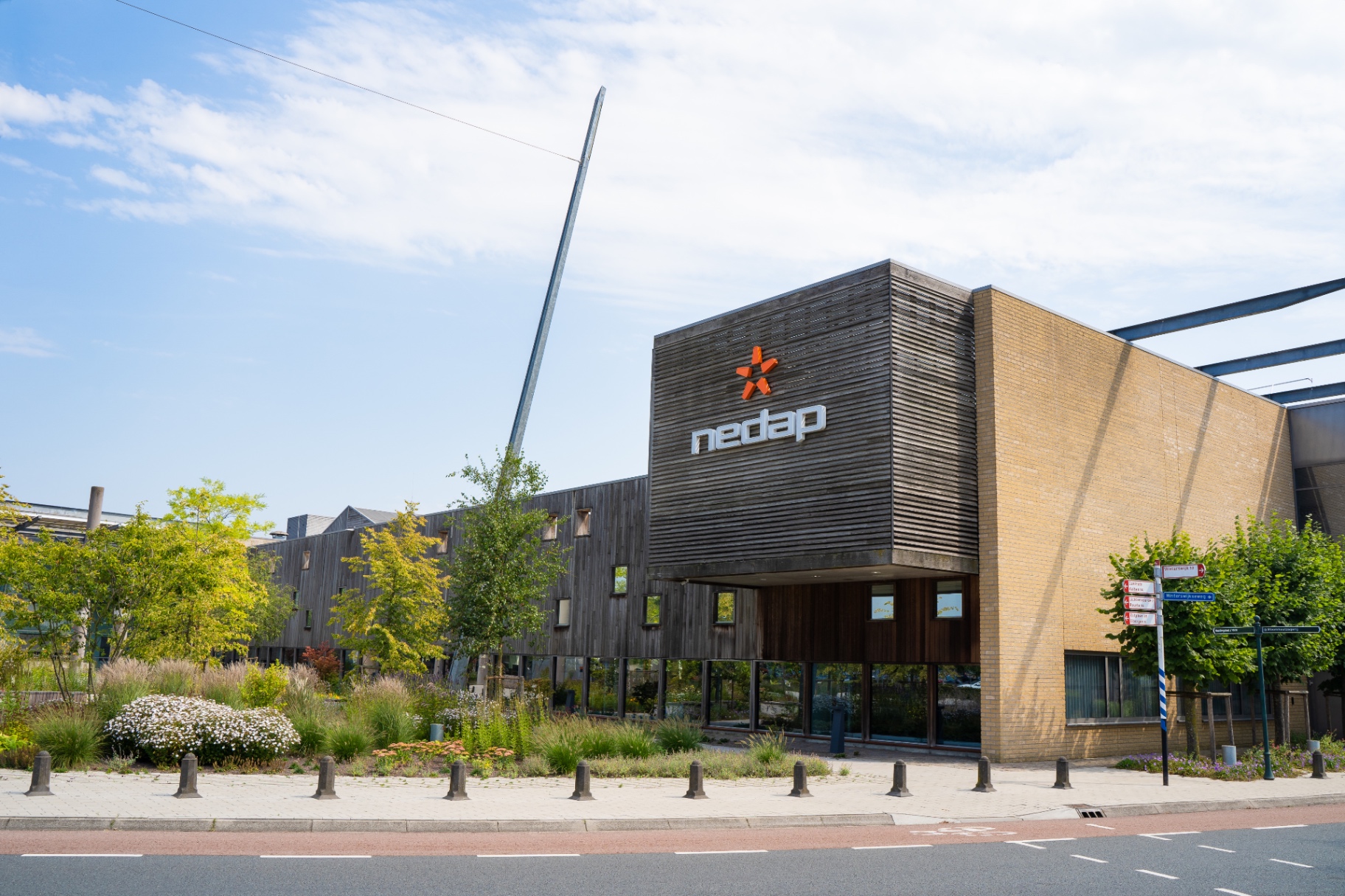
Nedap Livestock is the world's leading cow monitoring technology and monitors the performance and well-being of over 8 million dairy cows worldwide. To support their global partner network, they use Kadanza as their central brand portal. But with a huge amount of images and no metadata, finding the right "cow" was impossible. Instead of waiting for a feature update, René built his own AI solution using the Kadanza API.
The Challenge: A Library Full of "Invisible" Assets
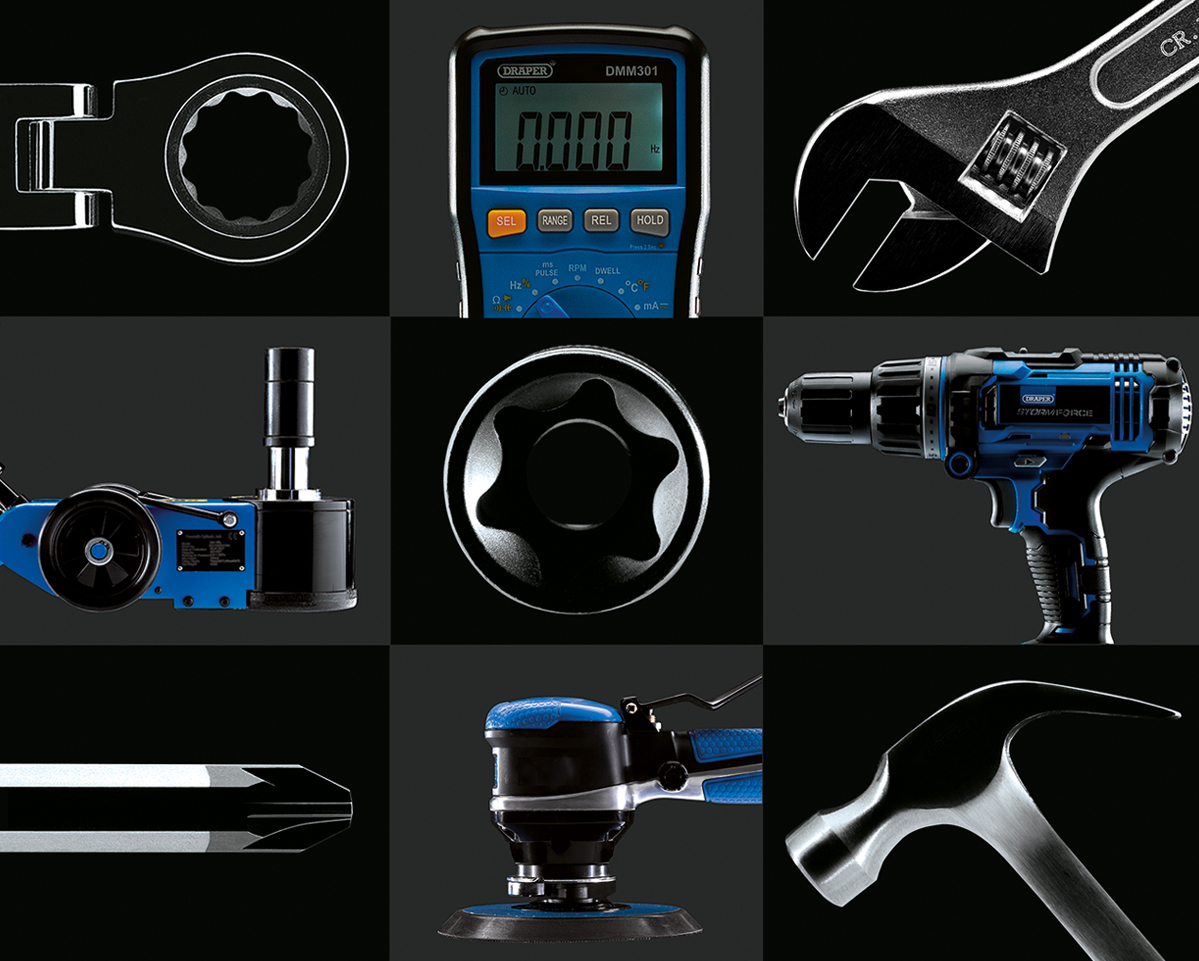
Nedap Livestock's marketing team had done the hard work: they centralized a library of high-quality images and videos in Kadanza. The goal was to empower their global partner network to create their own marketing materials.
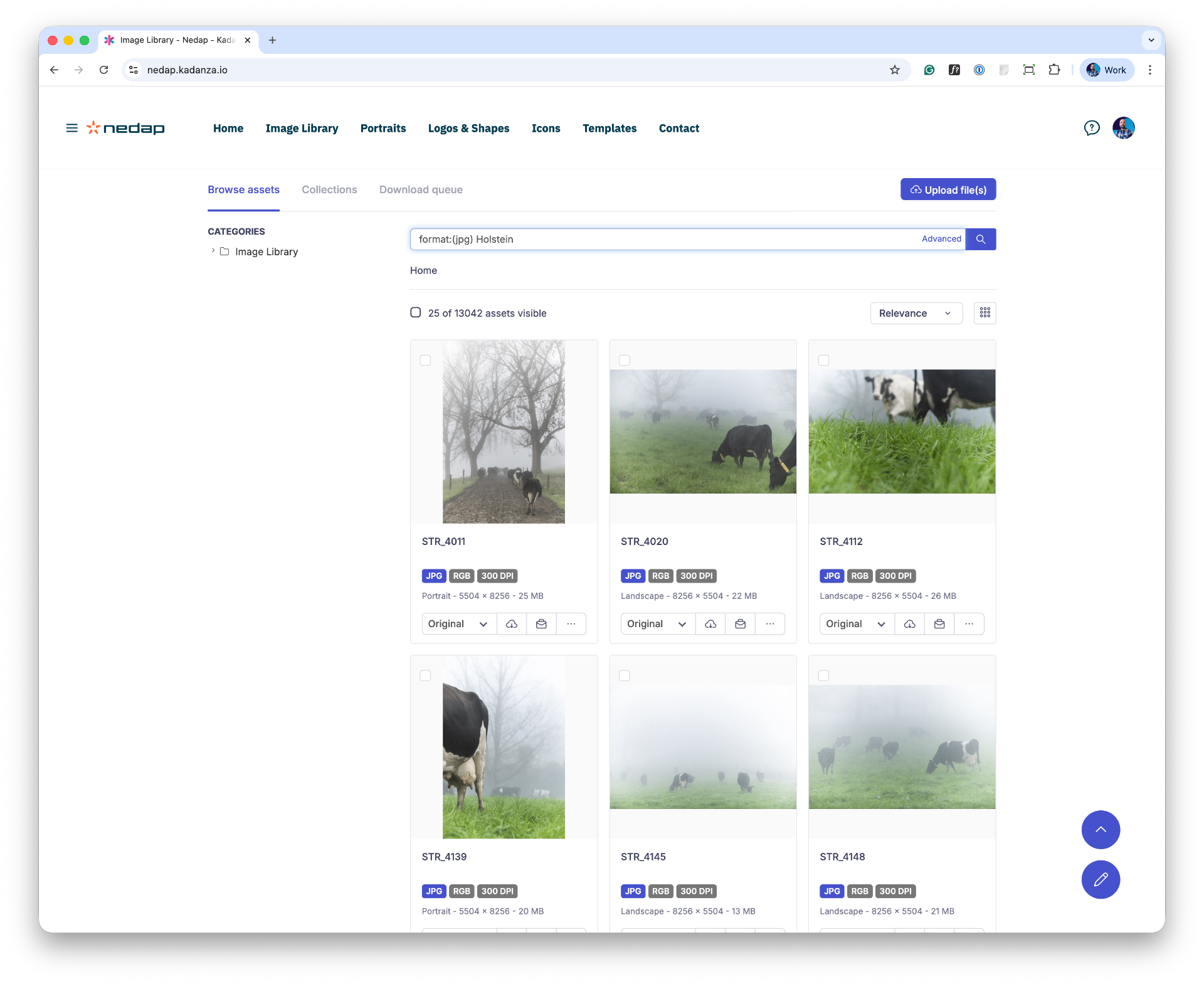
But there was a problem. The images had technical metadata (timestamps, file names), but no descriptive metadata. If a partner searched for "barn" or "Holstein cow", the result was zero.
"The library was full, but for our users, it felt empty."
René Bolt
Product Owner, Nedap Livestock
"We considered tagging everything manually, but for such an amount of assets, that would have taken weeks of boring, repetitive work," says René Bolt.
The Solution: Innovation with AI & APIs
René didn't want to wait. He saw an opportunity to combine Kadanza's open architecture with the power of Generative AI.
"I asked Kadanza if they had an AI auto-tagging feature. They said it was on the roadmap, but not ready yet. However, they pointed me to their API. That was the green light I needed."
René designed a clever workflow to automate the tagging process:
- Fetch: Use the Kadanza API to download a thumbnail of each image.
- Analyze: Send the thumbnail to OpenAI's API with a specific system prompt (e.g., "Describe this image. If you see a cow, identify the breed.").
- Tag: Send the AI-generated description back to Kadanza and update the asset metadata.
To orchestrate this, René used n8n (a workflow automation tool).
"I'm not a developer," René laughs. "I actually crashed our local n8n instance by trying to process 5,000 images at once. But after a quick fix to run in batches of 10, it worked like a charm."
The Result: 5,000 Assets Tagged for $0.01 Each
The results were immediate and impressive:
- Speed: An entire batch of 5,000 images was processed and tagged in just 8 hours.
- Cost: The total bill for the OpenAI API usage was $50 (about $0.01 per image).
- Quality: The AI correctly identified specific breeds and objects, making the search bar instantly useful.
"If we had done this manually, it would have cost us thousands of euros in man-hours," says René. "Now, our partners can type 'cow eating' and instantly find the right image."
Why Kadanza?
This case highlights a core philosophy of Kadanza: Extensibility. While many DAM systems are closed "black boxes", Kadanza is built API-first. This allows technical users like René to build their own innovations on top of the platform, without waiting for vendor updates.
"The flexibility of the Kadanza API allowed us to solve a major business problem in one day. We didn't need a custom enterprise integration project; just a clever idea and an open platform."
René Bolt
Product Owner, Nedap Livestock
Tech Stack Used
- Kadanza (DAM & API)
- OpenAI (Image Analysis)
- n8n (Workflow Automation)